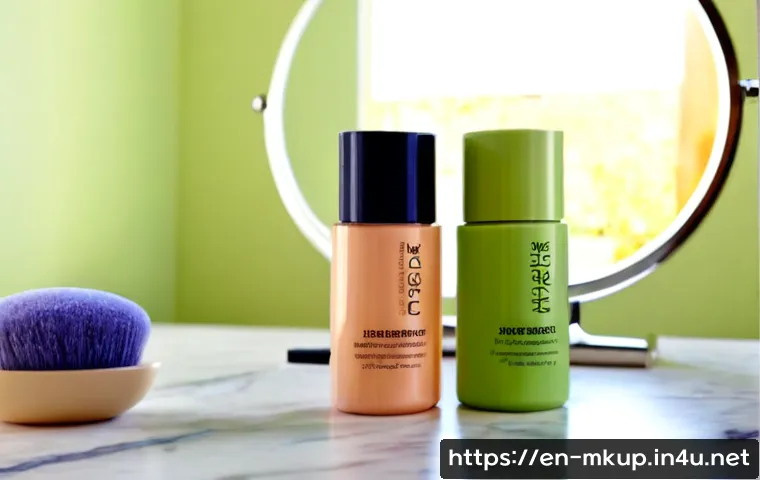
Green primer is commonly chosen to soften the look of visible redness, while peach or orange tones are often used for dark circles and darker-looking discoloration.
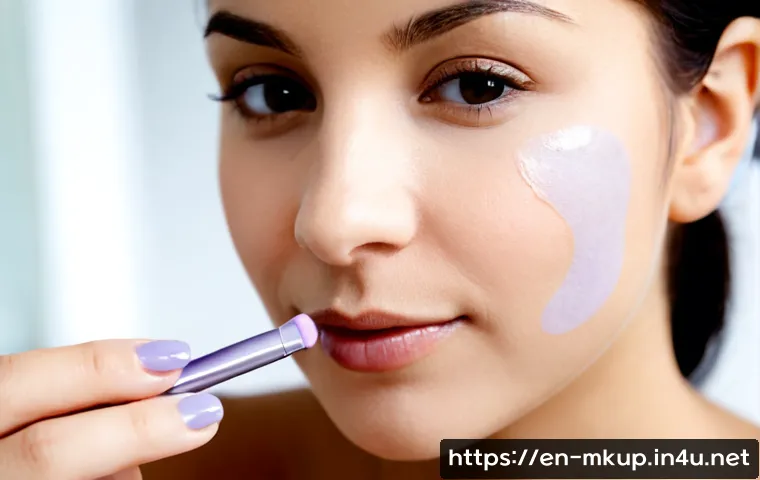
Lavender primer can help brighten the appearance of sallow, yellow-leaning dullness before foundation. The best color-correcting primer is not necessarily the most popular shade—it is the one that matches your main concern, coverage preference, and makeup routine.
A sheer all-over primer can be useful for subtle unevenness, while a targeted corrector may make more sense for concentrated areas. Before buying, compare the finish, formula feel, application format, and likely cost per use.
A thin layer is usually enough, since too much correction can show through foundation as a noticeable cast.
At a Glance
- Green is commonly used to visually soften facial redness, especially around the nose and cheeks.
- Peach, apricot, and orange are commonly selected for the appearance of dark circles and hyperpigmentation; deeper discoloration may need a richer shade.
- Lavender or purple is often used to brighten the look of sallow or yellow-leaning dullness before complexion makeup.
| Main concern | Common correction shade | Suggested coverage approach | Useful product format | Key buying consideration |
|---|---|---|---|---|
| Visible redness around the nose, cheeks, or chin | Green | Sheer to light | Sheer primer or targeted corrector | Choose a thin formula that does not leave a green cast |
| Dark circles or darker-looking spots | Peach, apricot, or orange | Targeted, buildable coverage | Spot corrector or concealer-style corrector | Match the depth of the corrector to the depth of discoloration |
| Sallow or yellow-leaning dullness | Lavender or purple | Sheer all-over balancing | Color-correcting primer or moisturizer | Use a light layer so foundation still matches naturally |
| Small, isolated areas of uneven tone | Depends on the concern | Targeted coverage | Small corrector tube, pot, or wand | A smaller product may offer better value per use than a full-face primer |
Which Color Primer Helps Your Main Skin-Tone Concern?
Quick Answer: Green for Visible Redness, Peach or Orange for Darker Discoloration, Lavender for Sallowness
Color correction works by using balancing tones to reduce the appearance of unwanted discoloration before foundation, skin tint, or concealer. The most practical starting point is to identify the concern you want to soften rather than choosing a color based on attractive packaging or a trend.
Green-toned primer is commonly used when redness is the main issue. This can include visible redness around the nose, cheeks, chin, or other small areas where your usual foundation may look less even.
Peach, apricot, and orange-toned correctors are commonly selected for the appearance of dark circles or hyperpigmentation. In general, deeper-looking discoloration may require a richer corrector shade. A pale peach product may not give the same balancing effect on every skin tone or every dark spot, so shade depth matters as much as the basic color family.
Lavender or purple primer is often used when the complexion looks sallow or yellow-leaning. A sheer lavender formula can be a better fit for an all-over brightening effect than a dense, full-coverage product.
Yellow and blue color-correcting products also exist in some makeup ranges. Their intended use can vary by formula and brand guidance, so check the product description and shade information instead of assuming that every yellow or blue product will solve the same concern.
When a Correcting Primer Is Enough—and When Concealer Gives Better Results
A color-correcting primer is generally a good option when the unevenness is mild, spread across a larger area, and you want a more subtle finish under foundation. It can make sense for someone who wears skin tint, light foundation, or medium-coverage complexion makeup and wants a smoother-looking starting point.
A targeted corrector may be the more efficient purchase when discoloration is concentrated, such as around the inner corners of the eyes, on a few dark spots, or in small red areas. There is little reason to apply a full-face green primer if redness only appears around the nostrils.
Color correction alone may not fully cover persistent discoloration. You may still prefer concealer or a higher-coverage foundation afterward. Think of correction as a balancing step, not a guaranteed replacement for every complexion product in your routine.
Compare Correcting Shades, Coverage Levels, and Product Formats
Green, Peach, Orange, Lavender, Yellow, and Blue: What Each Tone Is Generally Used For
The core comparison is simple: choose the correction tone for the visible concern, then choose the coverage level for the intensity of that concern. Green is commonly associated with reducing the appearance of redness. Peach, apricot, and orange are commonly used for darker-looking circles and discoloration. Lavender is often chosen for sallowness or yellow-leaning dullness.
For yellow and blue products, the shade label alone is not enough to make a confident purchase decision. Product intensity, sheerness, your undertone, and the coverage of the foundation you plan to wear can all change the final result. Review the retailer’s current shade details and use any available swatch guidance with care.
Sheer Primer vs. Targeted Corrector vs. Color-Correcting Moisturizer
Sheer primer: Best suited to subtle, widespread unevenness. This format is often designed to sit under foundation or skin tint and can be practical for daily makeup when you want a light correction effect.
Targeted corrector: Best suited to more pronounced or localized discoloration. Because you use it only where needed, a small corrector can be a more sensible option for someone who does not need all-over color balancing.
Color-correcting moisturizer: This format may appeal to shoppers who prefer fewer makeup layers and a lighter-looking routine. Its correction level may be more subtle than a dedicated corrector, so it is worth checking whether the product is positioned as sheer, buildable, or more covering.
When comparing makeup primer options, do not focus only on tube size. Consider how much product you will realistically use each time. A daily full-face primer can be convenient, while a small targeted corrector may last through many applications if it is used only on a few areas.
What Makes a Product Better Value for Daily Makeup Use
Value is not only about the upfront price. A good-value color-correcting product is one that fits your routine without creating waste, requiring excessive product, or forcing you to buy additional makeup to cover an unwanted cast.
Ask a few practical questions before purchasing:
- Will I use this over my whole face or only in specific areas?
- Do I wear sheer, medium, or higher-coverage foundation most days?
- Is the formula likely to layer comfortably with my sunscreen and foundation?
- Would a small spot corrector be more useful than a larger primer?
- Does the product offer the finish I prefer: hydrating, lightweight, or more shine-controlling?
Choose a Formula for Dry, Oily, Combination, or Sensitive-Looking Skin
Hydrating Finishes for Makeup That Clings to Dry Patches
If foundation tends to catch on dry-looking areas, look for a hydrating-feel primer and keep the correction layer thin. Heavy application can make complexion makeup look more noticeable, even when the initial color match seems right.
Your skincare layers can affect primer performance. Let skincare and sunscreen set before applying a color-correcting product, then assess whether foundation applies evenly on top. A formula that works well alone may perform differently when combined with a particular sunscreen or base product.
Lightweight and Oil-Controlling Textures for Shine-Prone Areas
For shine-prone areas, a lightweight texture may feel more comfortable than a rich, emollient product. If redness appears only in the center of the face, you may not need to apply the same correcting formula on drier outer areas.
Combination skin can benefit from a mixed approach: use a targeted green corrector where redness shows, then apply your regular primer only where you want it. This can prevent unnecessary layers and help foundation look less heavy.
Ingredient and Patch-Test Checks for Easily Irritated Skin
If your skin is easily irritated or prone to unexpected reactions, check the current ingredient list before purchasing. Ingredient lists, shade ranges, availability, and product formulas can change by retailer and region.
A patch test can be a sensible step when trying a new complexion product. It cannot guarantee that a product will work for every person, but it may help you notice whether the formula feels unsuitable before applying it across the face.
How to Apply Color Correction Without a Gray, Green, or Patchy Cast
Prep Skin and Let Skincare and Sunscreen Set

Start with your usual skincare and sunscreen, then allow those layers to settle before adding makeup. Primer performance can vary depending on skincare, sunscreen formula, foundation base, and the way products are applied.
If you notice pilling or uneven texture, simplify the layers and test the combination again. It is often easier to identify which pairing is not working when you change one product at a time.
Use Thin, Targeted Layers Before Complexion Makeup
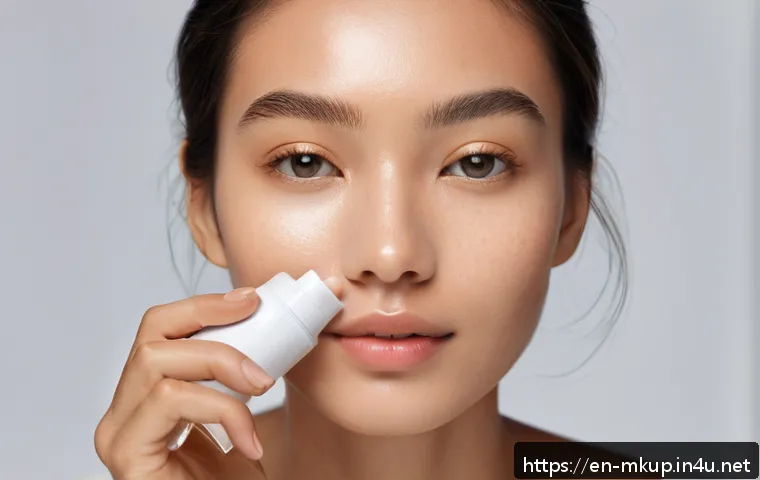
The safest application rule is simple: use less than you think you need. Apply a thin layer of correcting primer before foundation, skin tint, or concealer. For spot correction, place a small amount only on the discoloration rather than spreading it far beyond the area.
Overapplication can create a visible green, gray, peach, or purple cast. It can also interfere with foundation shade matching and make the finished makeup look heavier than intended.
Blend, Assess in Natural Light, and Build Only Where Needed
Blend the edges gently, then apply your complexion makeup. Check the result in natural light when possible. If the unevenness remains visible, add a little more only where needed rather than applying another full layer everywhere.
If you can still see a strong correction shade after foundation, the product may be too intense for the amount used, the foundation coverage may be too sheer for that level of correction, or the shade may not be the best match for your concern.
Common Buying and Application Mistakes to Avoid
Choosing a Shade Based on Packaging Rather Than Discoloration
A mint-green tube may look appealing, but green is not automatically the best answer for every uneven complexion. Start with the actual concern: visible redness, dark circles, dark spots, or sallow-looking dullness. Then choose the color family that is commonly used for that concern.
Using Full-Face Correction for a Small, Localized Concern
Applying a full-face corrective primer for one small red area or a few dark spots can be inefficient. It may also increase the chance of visible cast or an overly layered base. A targeted corrector is often the more practical format when discoloration is limited.
Combining Heavy Layers Without Testing for Pilling
Skincare, sunscreen, primer, foundation, and concealer do not always behave the same way together as they do on their own. If makeup pills, separates, or looks patchy, test your layers in a simpler routine. Check how the primer works with the complexion makeup you actually wear most often.
There is no universal rule that one formula type will work for every person. Your skin type, application method, sunscreen, and foundation can all affect the result.
Selection Criteria and Comparison Summary
Choose a sheer color-correcting primer if you want subtle, all-over balancing under foundation or skin tint, especially for mild redness or sallow-looking dullness.
Choose a targeted corrector if discoloration is concentrated, more pronounced, or limited to dark circles, dark spots, the sides of the nose, or another small area.
Choose your shade by concern: green for visible redness, peach/apricot/orange for darker-looking circles or hyperpigmentation, and lavender for yellow-leaning dullness. Consider a richer peach or orange tone when discoloration appears deeper.
Check skin compatibility: consider the finish you prefer, your skincare and sunscreen layers, and whether the formula performs well under your usual foundation.
Compare cost per use: a full-face primer may suit a daily routine, while a smaller spot corrector can be more efficient for localized concerns. For current shades, ingredients, finish details, and retailer availability, review the product page before choosing.
Final Thoughts
A color-correcting primer can be a useful foundation-prep step when it is matched to a specific concern rather than used as a one-color solution for every complexion issue. Start with a sheer layer and add coverage only where it improves the overall finish. For widespread, subtle unevenness, a primer may be enough. For stronger or concentrated discoloration, a targeted corrector and concealer may be a more effective combination.
Helpful Things to Know
1. A visible cast usually means too much product was applied or the correction shade is not working well with the foundation coverage.
2. A targeted product can reduce unnecessary layers when discoloration appears in only a few places.
3. Foundation shade matching matters after correction; check the finished base in natural light when possible.
4. Current prices, stock, shade names, and ingredient lists can vary by retailer and location.
Important Notes
The exact corrector shade and formula that works best will depend on your undertone, the depth of discoloration, your preferred coverage, and the complexion products you layer on top. No color-correcting primer can be assumed to prevent irritation, breakouts, dryness, or pilling for every user. Check current product information and test new formulas carefully within your own routine.
Frequently Asked Questions
Q1. What color primer is best for redness around the nose and cheeks?
A1. Green-toned products are commonly used to visually soften the look of facial redness. Use a thin layer, especially around the nose and cheeks, then apply foundation or skin tint over it. If redness is limited to small areas, a targeted green corrector may be more practical than a full-face primer.
Q2. Is a color-correcting primer worth buying if I already use foundation and concealer?
A2. It can be worth considering if you want subtle all-over balancing before foundation or if your base makeup still looks uneven in certain areas. If your foundation and concealer already give you the finish you want, a separate primer may not be necessary. For localized discoloration, a targeted corrector may offer better value than another full-face product.
Q3. Should I choose peach or orange corrector for dark circles and dark spots?
A3. Peach, apricot, and orange-toned correctors are commonly selected for the appearance of dark circles and hyperpigmentation. Deeper-looking discoloration generally calls for a richer corrector shade, but the best choice depends on your skin tone, discoloration depth, and the coverage of the foundation or concealer you plan to use afterward.